
Building credit from scratch can feel intimidating, but it’s entirely doable with careful planning and responsible financial habits. Credit history is crucial for qualifying for loans, renting apartments, getting lower insurance rates, and sometimes even job applications. Here’s how you can start:
1. Understand What Credit Is
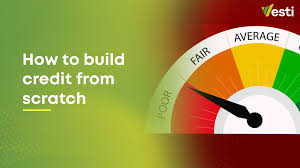
Credit is essentially your financial reputation. Lenders, landlords, and even some employers check your credit history to see if you are responsible with money. In the U.S., your credit is tracked in credit reports and scored with a FICO or VantageScore, typically ranging from 300 to 850.
- 300–579: Poor
- 580–669: Fair
- 670–739: Good
- 740–799: Very Good
- 800–850: Excellent
Starting from scratch means you have no credit history. Your goal is to create a record of responsible borrowing and repayment.
2. Get a Secured Credit Card
A secured credit card is the easiest way to start building credit. It works like a regular credit card, but you deposit money as collateral (often $200–$500).
Steps:
- Apply for a secured card with a reputable issuer (e.g., Capital One, Discover).
- Deposit the required collateral.
- Use the card for small purchases each month.
- Pay the balance in full and on time to avoid interest and build a positive history.
💡 Tip: Keep your credit utilization below 30% (use only a fraction of your credit limit).
3. Consider a Credit-Builder Loan
Credit-builder loans are specifically designed for people with no credit history. Unlike regular loans, the money is held in a bank account until you repay it. Payments are reported to credit bureaus.
How it works:
- Borrow a small amount ($300–$1,000).
- Pay in monthly installments.
- After paying off, you receive the money and your on-time payments build your credit score.
💡 Available from community banks, credit unions, and online lenders.
4. Become an Authorized User
If you have a family member or trusted friend with good credit:
- Ask them to add you as an authorized user on their credit card.
- You benefit from their positive payment history without being legally responsible for the debt.
💡 This is a quick way to get credit history, but make sure the primary cardholder maintains good habits.
5. Use a Retail or Gas Credit Card
Some retail or gas cards are easier to get approved for than traditional credit cards. They help you:
- Build credit with small, manageable purchases.
- Show responsible usage if you pay on time each month.
💡 Avoid overspending and always pay the full balance.
6. Pay All Bills On Time
While rent, utilities, and phone bills may not automatically appear on your credit report, some services (like Experian Boost) can add them. On-time payments show financial responsibility and improve your credit over time.
- Set up automatic payments or reminders.
- Pay at least the minimum due if you can’t pay in full.
7. Monitor Your Credit Score
Regularly check your credit score and report:
- Use free services like Credit Karma, Experian, or AnnualCreditReport.com.
- Review reports for errors or fraud.
- Track your progress as you build credit.
💡 You are entitled to one free credit report per year from each of the three major credit bureaus: Experian, Equifax, and TransUnion.
8. Keep Accounts Open
Even after paying off a card or loan, don’t close old accounts immediately. The length of your credit history matters — longer accounts improve your score.
9. Borrow Responsibly
Only take loans or credit you can afford to repay. Overextending yourself or missing payments will damage your score and make it harder to build credit.
10. Be Patient
Building credit from scratch is a gradual process:
- Within 3–6 months: You may see your first score appear.
- Within 12–24 months: You can establish a strong foundation for loans, rentals, or other financial needs.
Summary Table: Quick Steps to Build Credit
| Step | Action | Tip |
|---|---|---|
| 1 | Get a secured credit card | Deposit collateral, spend wisely, pay in full |
| 2 | Apply for a credit-builder loan | Repay monthly; funds released after completion |
| 3 | Become an authorized user | Choose someone with excellent credit habits |
| 4 | Use retail/gas cards | Pay on time; avoid high balances |
| 5 | Pay bills on time | Rent, utilities, phone; use Experian Boost |
| 6 | Monitor credit | Check reports for errors; track progress |
| 7 | Keep accounts open | Longer history = better score |
| 8 | Borrow responsibly | Don’t overextend; avoid missed payments |

Leave a Reply